Housing and Transport
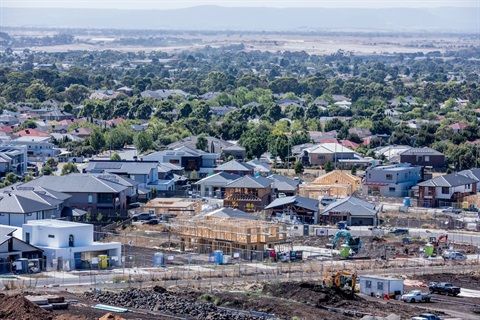
Access to safe, secure, and affordable housing is essential to health and wellbeing. In Hume City, housing is generally more affordable than other parts of metropolitan Melbourne, which is an attractive option for first-home buyers, young families, and households on moderate incomes.
But “affordable” housing doesn’t always mean it’s affordable for our community. Many residents continue to face housing stress, overcrowding, and homelessness, despite what the numbers might suggest. Financial strain is a real reality for our community, with one in five mortgaged households and more than one in three renters spending over 30% of their income on housing. Suburbs like Dallas, Roxburgh Park, Campbellfield, Coolaroo, Broadmeadows, and Meadow Heights are especially affected. Overall, nearly one in five households in Hume City experience housing stress. For these households, the pressure of housing costs can increase the risk of food insecurity, reduced access to healthcare, and poorer mental health and wellbeing outcomes.
Overcrowding and homelessness are also growing concerns. Since 2016, the number of people experiencing homelessness in Hume City has gone up by 25%. More than one in ten residents live in crowded homes, one of the highest rates in Victoria. And we know there are many more people who aren’t counted in official numbers, those sleeping on couches, staying with friends or family, or living in cars. These situations are often hidden, but they’re very real.
Transport is another critical factor in supporting health and wellbeing. Having access to transport means people can get to healthcare, education, jobs, and other important services. Without it, transport becomes a barrier, making it harder for individuals and families to reach the support they need for good health and wellbeing
In Hume City, most people rely on cars to get around, with many households owning two or more vehicles, which is much higher than the average across Greater Melbourne. Only a small number of households (just 4.3%) don’t have access to a car, highlighting that private transport is a major part of daily life in our community.
Having access to a reliable car gives people the freedom and flexibility to get to work, drop kids off at school, visit friends, and run errands. This is especially important in a city like Hume, where public transport options are limited and communities are spread out.
But relying so heavily on cars also brings challenges. Nearly two-thirds of residents drive to work, and more than half travel outside Hume City to do so. That means long commutes, traffic congestion, and less time for things like exercise, relaxation, and family. It can also affect our health and wellbeing by contributing to stress and more sedentary lifestyles.
As our city grows, so do the transport needs. Without more investment in better roads, public transport, and safe walking and cycling paths, these pressures will only increase.
Key Statistics
- Hume City has a higher proportion of family households with children at 58% (both couples and one parent families) compared to Greater Melbourne at 46%.
- Around one in four households across Hume City are renting (24.2%), less than compared to Greater Melbourne (29.2%).
- In 2024, the median house price was $665,000, compared to $ 855,000 for metropolitan Melbourne.
- 10.9% of Hume City residents are living in crowded dwellings, compared to 6.7% across Greater Melbourne.
- Estimated homelessness rates in Hume City are 44.3 per 10,000 people, compared to 47.7 per 10,000 across Greater Melbourne.
- Three in five households in Hume City (60.7%) have access to two or more motor vehicles, compared to just over half across Greater Melbourne (51.4%).
- Just under two in three Hume City residents travel to work in a private car (63.8%), in comparison to one in two (49.7%) across Greater Melbourne.
Detailed Context
Household Type and Tenure
Family households are the leading household type in Hume City. Hume has a higher proportion of family households with children at 58% (both couples and one parent families) compared to Greater Melbourne at 46% and a lower proportion of lone person households at 16%. The percentage of lone person households however, has increased slightly from 2016 to 2021. Suburbs with higher proportions of lone person households include Tullamarine, Campbellfield, Westmeadows and Coolaroo.
More than two-thirds of households in Hume City either fully own their home (23.5%) or are paying off a mortgage (45.3%). The proportion of households paying a mortgage in Hume City is significantly higher than Greater Melbourne (35.6%). In the new growth areas of Kalkallo and Mickleham around two in three households have a mortgage. Around one in four households across Hume City are renting (24.2%), less than compared to Greater Melbourne (29.2%). The proportion of households across Hume City renting social or community housing (2.3%) is the same as that of Greater Melbourne, however, in suburbs such as Broadmeadows, Meadow Heights, and Coolaroo, the rates are significantly higher (13.4%, 7.7% and 7.5%, respectively).
Housing Affordability and Stress
Hume City is considered a reasonably affordable area to buy or rent. In 2024 the median house price was $665,000 (compared to $855,000 for metropolitan Melbourne) while the median unit/apartment price was $475,000 (compared to $615,000) for metropolitan Melbourne). The median weekly rent for a 2-bedroom unit/apartment in Hume City in the Dec Qtr 2024 was $450 compared to $575 for metropolitan Melbourne and the median rent for a 3-bedroom house was $500 vs $550. Overall, 18.5% of new lettings in Hume City during the Dec Qtr 2024 were considered as affordable, versus 9.3% for metropolitan Melbourne.
While Hume City is considered somewhat affordable, a significant proportion of households' experience housing stress, spending more than 30% of their household income on mortgage or rent payments. As at the 2021 Census around one in five households with a mortgage (20.4%) report paying more than 30% of their household income on mortgage repayments, compared to 16.8% across Greater Melbourne. Similarly, for those households renting, over one third (37.1%) report paying more than 30% of their household income on rent payments, compared with 30.9% for Greater Melbourne. Across all households in Hume almost one in five (19.0%) are experiencing household stress, whether mortgage or rental stress, compared to 15.5% across all Greater Melbourne households.
Households with a mortgage
Rental households
Overcrowding and Homelessness
Of Hume’s total population around one in nine persons are living in crowded dwellings (10.9%), higher than compared to Greater Melbourne (6.7%) and the third highest rate across Victoria. Around 5.7% of dwellings in Hume City are considered too small for the number of people and household types living there, requiring one or more extra bedrooms to be considered suitable. This is slightly higher when compared to Greater Melbourne at 3.4% and is the third highest rate across Victoria.
The estimated number of homeless persons in Hume City was 1,147 people as at the 2021 Census. This equates to 44.3 per 10,000 people, which is lower when compared to Greater Melbourne at 47.7 per 10,000 people. Almost two-thirds of Hume’s homeless persons were living in ‘severely’ crowded dwellings (62.2%) while around one-fifth were living in supported accommodation for the homeless (21.3%).
Transport
Hume City has a high rate of motor vehicle ownership in comparison to Greater Melbourne. Three out of five households in Hume City (61.0%) have access to two or more motor vehicles, in comparison to just over half of households across Greater Melbourne (51.4%). Only 4.3% of households in Hume City do not own a motor vehicle compared to 8.2% for Greater Melbourne.
Data from the Victorian Integrated Survey of Travel and Activity for 2023-24 shows that the predominant mode of transport in Hume City is a private vehicle. For all journey types, 93.5% of trips are made by private vehicle with 4.6% made on foot and 1.9% by public transport. During the week, 28.7% of trips are to pick-up or drop-off someone, 21.3% for shopping, 16.2% for social or recreational activities and 13.5% for work. Weekend trips are largely for social or recreational activities (50.8%), followed by shopping (31.4%) and work (9.4%).
With two in five (40%) employed residents working within Hume City and 56% commuting outside the municipality for work, data from the 2021 ABS Census shows that close to two-thirds are travelling to work in a private car (63.8%), in comparison to only 49.7% across Greater Melbourne.